Home / Articles
Who Is a Candidate for Korean Medicine Rehabilitation
Home / Articles
Who Is a Candidate for Korean Medicine Rehabilitation
Patients often seek Korean Medicine Rehabilitation for:
Chronic musculoskeletal pain (back, neck, shoulder, or knee pain)
Sports injuries and ligament strain
Postural imbalances and reduced mobility
Nerve-related discomfort such as sciatica
Stress-related physical symptoms
Post-accident or post-surgical recovery
By targeting both symptoms and root causes, Korean Medicine Rehabilitation aims to support long-term recovery rather than temporary relief.
Treatment programs typically combine multiple modalities tailored to the individual. At Kim Min Jung Oriental Medicine Clinic, care plans are personalized based on clinical evaluation and patient goals.
Acupuncture involves inserting fine needles into specific points to stimulate circulation and regulate energy flow. Electroacupuncture enhances this process using mild electrical currents to support nerve function and reduce inflammation.
Customized herbal prescriptions are designed to improve internal balance, support metabolism, and aid recovery. These formulations are carefully selected to align with each patient’s condition.
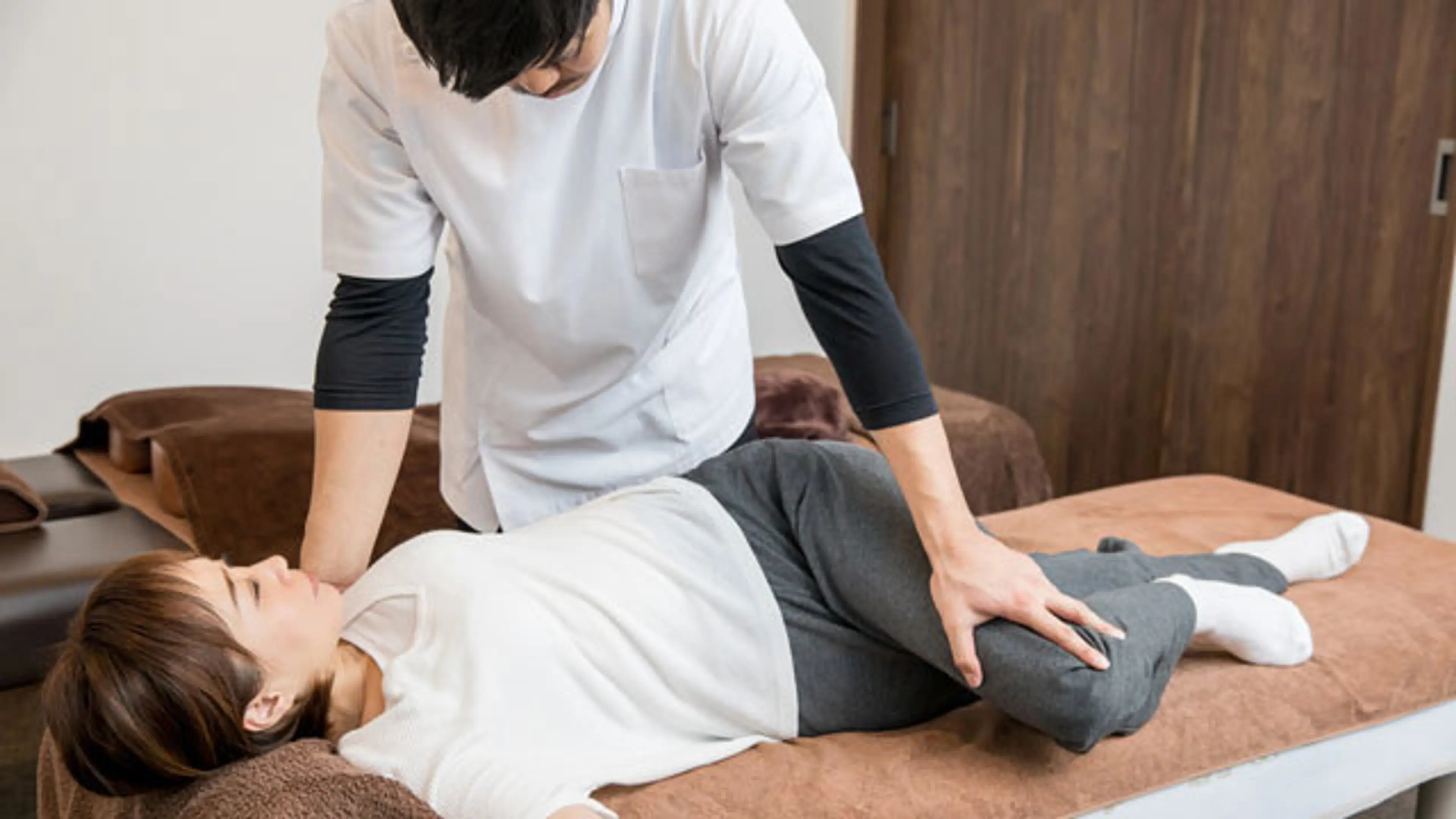
Hands-on therapies and guided exercises help improve mobility, restore joint function, and reduce muscle tension.
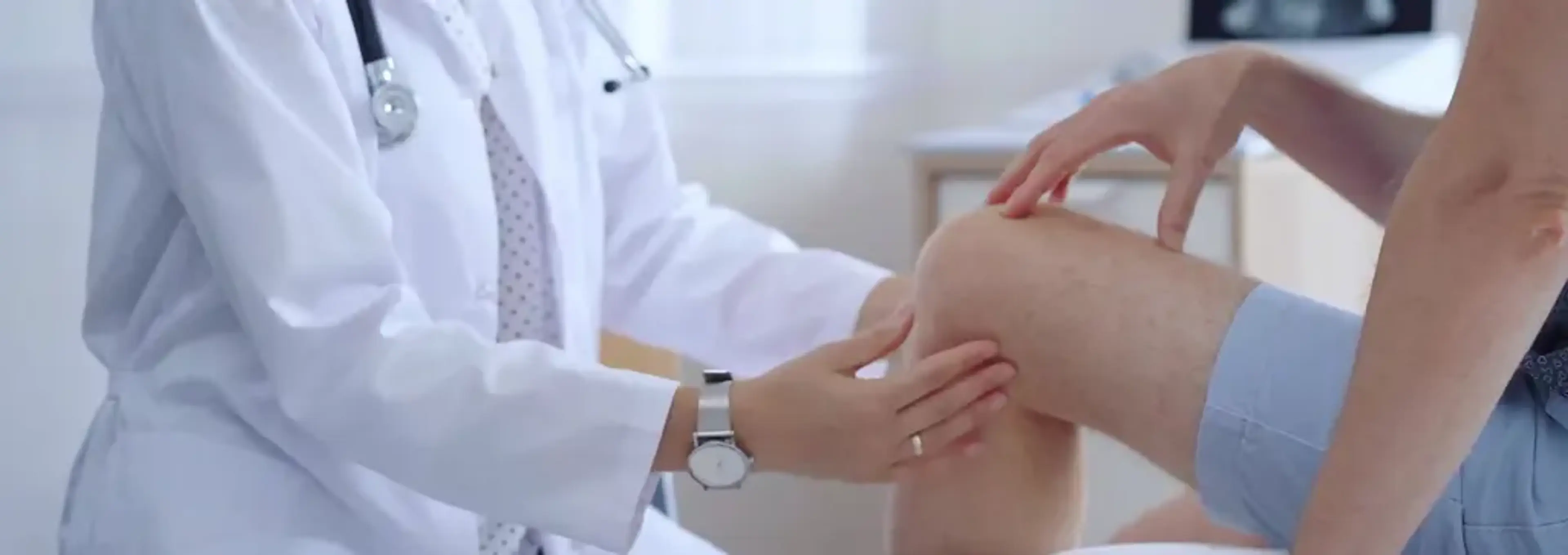
Diagnosis combines traditional methods such as pulse and tongue analysis with modern anatomical understanding, providing a comprehensive clinical picture.
Korean Medicine Rehabilitation is not limited to one specific group. Instead, it is appropriate for a wide range of patients seeking non-surgical, holistic care.
Those recovering from sports injuries, ligament damage, or minor trauma often use rehabilitation therapies to restore strength and mobility while minimizing long-term complications.
Individuals who experience stiffness, reduced range of motion, or posture-related discomfort may find improvement through targeted rehabilitation strategies.
Chronic stress can manifest physically, contributing to pain, fatigue, or digestive issues. Korean Medicine Rehabilitation addresses both physical and neurological aspects of stress.
For those who prefer to avoid invasive procedures, Korean Medicine offers a conservative treatment pathway focused on natural healing processes.
Even without severe symptoms, some patients pursue treatment to maintain balance, prevent recurrence of injury, and support overall wellness.
Understanding the treatment process can help patients feel more prepared and confident.
The process begins with a detailed consultation that includes:
Medical history review
Symptom assessment
Physical examination
Traditional diagnostic methods
This step ensures that the treatment plan is tailored to the patient’s specific needs.
Based on the evaluation, a structured plan is created. This may include a combination of acupuncture sessions, herbal medicine, and rehabilitation therapy.
Treatment is typically delivered over multiple sessions. Frequency depends on the severity of the condition and individual response to therapy.
Progress is regularly assessed, and treatment strategies are adjusted as needed to optimize outcomes.
Dr. Min-jung Kim brings a distinctive integrative approach to Korean Medicine Rehabilitation. Her background includes advanced training in both traditional medicine and modern biomedical sciences.
Integrating Western diagnostics with Korean Medicine principles
Applying immunology and genetics insights to chronic conditions
Developing personalized, evidence-informed treatment plans
Her clinical philosophy focuses on identifying root causes and supporting the body’s natural recovery mechanisms. This approach is particularly relevant for patients with complex or long-standing conditions.
Patients choose Kim Min Jung Oriental Medicine Clinic for several reasons:
The clinic combines traditional therapies with modern clinical understanding, allowing for a more complete approach to diagnosis and treatment.
Single-use, sterile needles and strict hygiene protocols are standard, ensuring patient safety during all procedures.
Herbal formulations are carefully sourced and prepared to maintain quality and consistency.
Treatment plans are designed with clear communication, realistic expectations, and individualized care goals.
Korean Medicine Rehabilitation focuses on gradual, sustainable improvement rather than immediate results. Patients may experience:
Reduced pain and inflammation
Improved mobility and flexibility
Enhanced overall well-being
However, outcomes vary depending on factors such as the severity of the condition, duration of symptoms, and individual health status.
When performed by a qualified practitioner, treatments such as acupuncture are generally considered safe. Mild side effects, such as temporary soreness or fatigue, may occur but are typically short-lived.
Recovery is often progressive. Some patients notice improvements within a few sessions, while others may require longer treatment periods to achieve meaningful results.
Korean Medicine Rehabilitation may be appropriate if you:
Experience chronic or recurring pain
Are recovering from injury or physical strain
Prefer non-invasive treatment options
Seek a holistic, root-cause-focused approach
Consultation with a qualified practitioner is essential to determine suitability and develop an effective treatment plan.
Korean Medicine Rehabilitation offers a structured, patient-centered approach to managing pain and restoring function. At Kim Min Jung Oriental Medicine Clinic in Gangnam-gu, Seoul, Dr. Min-jung Kim combines traditional healing principles with modern clinical expertise to provide comprehensive care.
For individuals seeking a balanced, non-surgical pathway to recovery and wellness, this integrative approach may serve as a valuable option.